

Performance Parameters and Specification Selection of Horizontal Twin-Shaft Concrete Mixers - SIMAMIX Brand
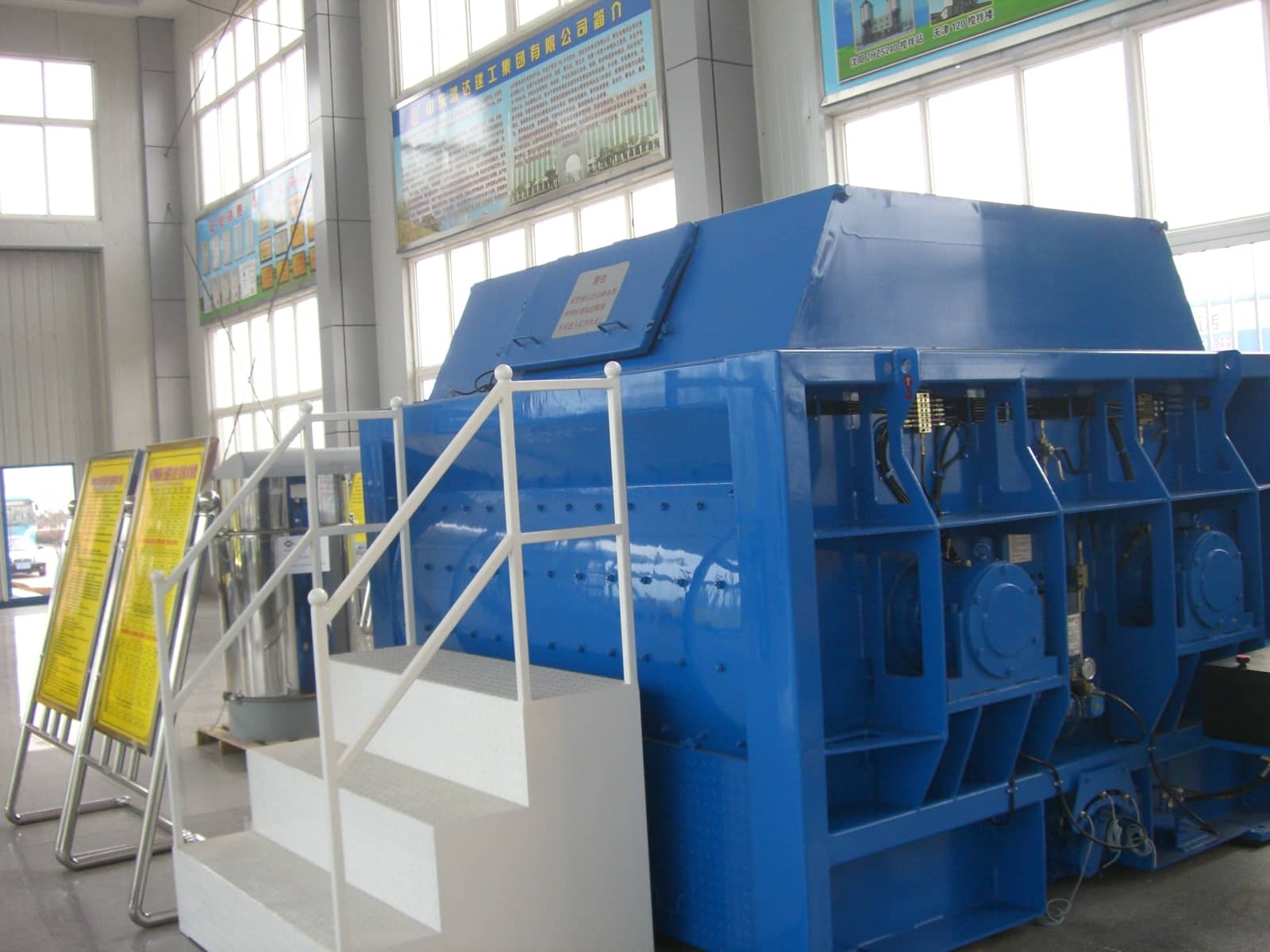
Introduction:
In the world of concrete mixing equipment, horizontal twin-shaft concrete mixers have emerged as a popular choice due to their exceptional performance and efficiency. In this article, we will delve into the crucial performance parameters and guide you through the process of selecting the most suitable specifications for your concrete mixing needs.
1. Motor Power:
The motor power is a fundamental parameter that determines the mixing capacity and efficiency of the twin-shaft concrete mixer. Higher motor power usually indicates a larger mixing volume and faster mixing speed. Consider your project's scale and production requirements to select an appropriate motor power for optimal performance.
2. Mixing Capacity:
The mixing capacity refers to the maximum amount of concrete that the mixer can produce in one batch. It is essential to match the mixer's capacity with the projected concrete demand of your construction projects. Carefully assess the volume needed to avoid underutilization or overloading, which could compromise the mixing quality.
3. Mixer Size:
The physical size of the twin-shaft mixer is crucial, especially if you have space constraints at the construction site. Measure the available area and choose a mixer size that fits comfortably within the designated location while allowing sufficient room for operation and maintenance.
4. Mixing Blades and Shafts:
The design of the mixing blades and shafts significantly impacts the homogeneity and thoroughness of concrete mixing. Look for mixers with high-quality, wear-resistant blades and precisely aligned shafts for smooth and efficient mixing.
5. Discharge Height:
The discharge height should align with the requirements of your construction site and equipment setup. A suitable discharge height will enable seamless pouring of concrete into molds or trucks, minimizing spillage and ensuring safety.
6. Material Feeding System:
Efficient material feeding is crucial for continuous and uninterrupted mixing. Choose mixers with advanced material feeding systems that enable precise and consistent input of aggregates, cement, water, and additives.
7. Control System:
Modern twin-shaft mixers come equipped with sophisticated control systems that streamline the mixing process. Look for user-friendly interfaces, automation capabilities, and real-time monitoring to optimize efficiency and ensure precision in mixing.
8. Mixing Time:
The mixing time is the duration required for the mixer to achieve the desired concrete consistency. Depending on the type of concrete and the project's specifications, select a mixer with an appropriate mixing time to meet your production deadlines.
Conclusion:
Selecting the right performance parameters and specifications for a horizontal twin-shaft concrete mixer is vital to ensure successful construction projects. By considering motor power, mixing capacity, size, mixing blades, discharge height, material feeding system, control system, and mixing time, you can make an informed decision that aligns with your project's requirements and maximizes productivity.
Contact Information
E-mail: market@smachine1983.com
Wechat/WhatsApp: +86 19913897707
Website: www.smachine1983.com
Zhengzhou Smart Machinery Manufacture Co., Ltd.