
Common Types of Mixing Blades in Concrete Mixing Plants and Maintenance Tips
Introduction
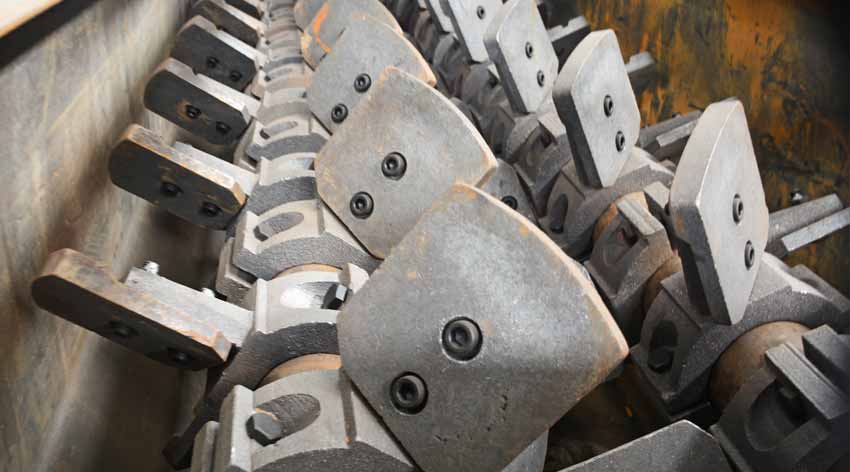
In concrete mixing plants, mixing blades play a crucial role in achieving efficient and homogeneous mixing of concrete. Different types of mixing blades are used based on specific requirements and mixing applications. This article, in partnership with SIMAMIX, a leading manufacturer of concrete mixing plant components, will explore the common types of mixing blades found in concrete mixing plants and provide essential maintenance tips for optimal performance.
Types of Mixing Blades
Helical Mixing Blades
Helical mixing blades, also known as spiral blades, are widely used in concrete mixing plants. These blades have a twisted shape that helps to lift and mix the concrete effectively. The helical design creates a continuous flow, ensuring thorough blending of all ingredients. To maintain helical blades, regular inspection for wear and tear is essential. Replace any damaged blades promptly to prevent uneven mixing or potential breakdowns.
Paddle Mixing Blades
Paddle blades are commonly used in concrete mixing plants for applications requiring gentle mixing. These blades have a flat or slightly curved shape with paddles attached to a central shaft. Paddle blades ensure a gentle and consistent mixing action, suitable for delicate materials or specialized concrete mixes. Maintenance of paddle blades involves regular cleaning to prevent the buildup of hardened concrete and debris, which can affect their performance.
Double Arm Mixing Blades
Double arm blades, also known as sigma blades, are utilized in high-intensity mixing processes. These blades consist of two arms that rotate in opposite directions, creating a powerful kneading and shearing action. They are particularly effective for mixing high-strength concrete or specialized mixes with additives. Proper lubrication of the double arm blades is crucial to reduce friction and prevent premature wear. Regular lubrication and inspection of the bearings ensure optimal performance.
Reversible Mixing Blades
Reversible blades are designed to rotate in both directions, enabling efficient mixing and discharge of concrete in concrete mixing plants. They are versatile and can handle various types of concrete mixes. Regular inspection of the blade edges is necessary to identify any signs of wear or damage. If any blades are worn out, they should be replaced promptly to maintain consistent mixing efficiency.
Maintenance Tips
Wear-Resistant Coatings
To enhance the longevity of mixing blades and improve their resistance to abrasion, applying wear-resistant coatings is recommended. These coatings, such as tungsten carbide or chromium carbide, provide a protective layer on the blades' surface, reducing wear and extending their lifespan. Periodic inspection of the coating condition and reapplication as necessary will help ensure the blades' durability and efficiency.
Conclusion
Choosing the appropriate type of mixing blades and properly maintaining them is crucial for achieving optimal performance in concrete mixing plants. With SIMAMIX as a trusted brand in the industry, operators can rely on their high-quality mixing blades for efficient and homogeneous concrete mixing. Regular inspection, cleaning, lubrication, and prompt replacement of worn-out blades are essential maintenance practices that contribute to the longevity and reliability of mixing blades in concrete mixing plants.